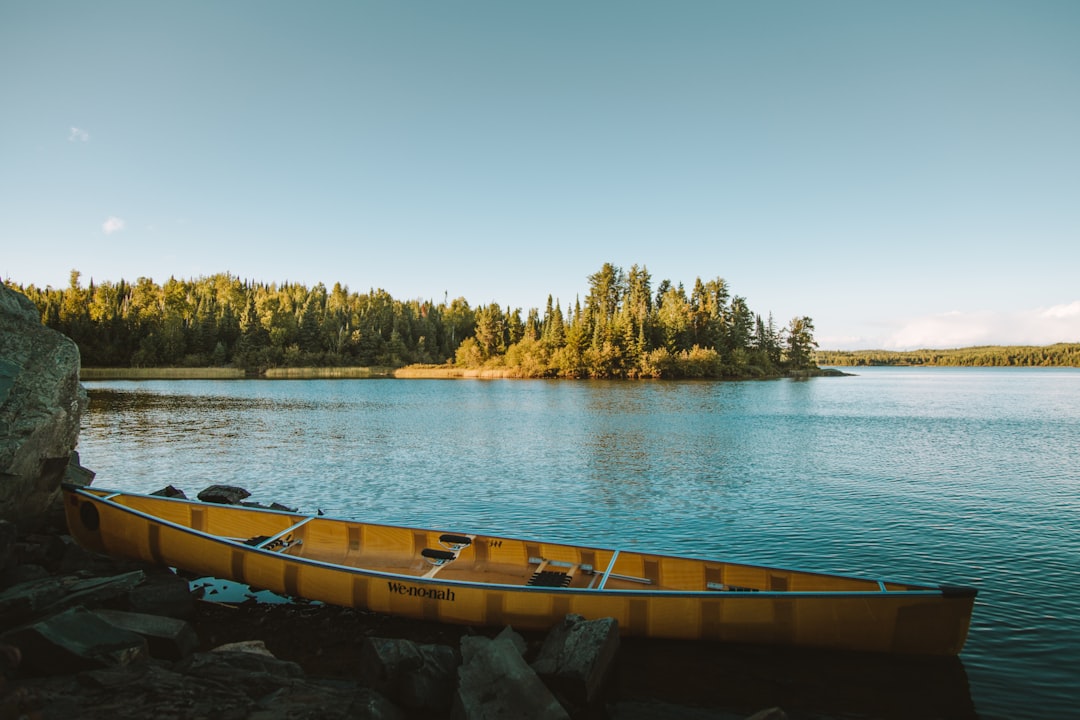
The Iron Range in northeastern USA, rich in history since the 19th century mining boom, has evolved from an industrial hub to a diverse community. Balancing economic development and environmental stewardship is key for preserving its natural beauty while fostering revitalization through sustainable practices and new initiatives.
"Discover the captivating story of Minnesota's Iron Range, a region shaped by its rich mining history and resilient communities. From its humble beginnings as a hub for iron ore extraction to the diverse, vibrant place it is today, the Range's past and present intertwine. Explore the historical mining legacy that built cities, meet the range's varied inhabitants, and learn about environmental efforts to preserve nature alongside industry. Uncover revitalization initiatives promising a bright future for these Iron Range communities."
Historical Mining Legacy: The Iron Range's Origin Story

The Iron Range in Minnesota has a rich history deeply intertwined with its mining legacy. The story begins in the mid-19th century when vast deposits of iron ore were discovered beneath the rugged landscapes, transforming this remote area into a bustling hub of industrial activity. Driven by the growing demand for steel during the Industrial Revolution, miners and settlers flocked to the Range, igniting a period of intense excavation and extraction.
This historical mining boom laid the foundation for Minnesota's Iron Range as one of the most significant iron-producing regions in North America. The industry attracted diverse communities, each contributing to the vibrant tapestry of towns that sprang up along the rugged terrain. Today, while modern mining techniques have evolved, the Range continues to stand tall as a testament to its historical significance, reminding folks of the indelible mark it has left on both the state's and nation's industrial landscape.
A Diverse Community: Past and Present Inhabitants

The Iron Range, a region deeply etched in Minnesota's history, has been home to a diverse array of communities since its settlement. Initially attracted by the abundance of iron ore, early inhabitants included native tribes who had long-standing connections to the land. As European settlers arrived, they brought with them a mix of cultures and backgrounds, contributing to the rich tapestry that is the Iron Range today. Over time, the region became a melting pot of immigrants from various countries, each leaving their mark on the local culture and economy.
This diversity has persisted into the present day, with current inhabitants proud of their heritage and committed to preserving it. The Iron Range's communities embrace their unique identities while also embracing change, reflecting the area's ability to adapt over its long history. This blend of old and new ensures that the Iron Range continues to be a vibrant and dynamic part of Minnesota.
Environmental Impact: Balancing Industry and Nature

The Iron Range, a vibrant expanse of mineral-rich landscapes in northeastern Minnesota, has long been celebrated for its industrial prowess and economic significance. However, this region's story is intricately woven with environmental considerations, as the balance between industry and nature remains a delicate one. Historically, the extraction of iron ore has left an indelible mark on the scenery, transforming lush forests into rugged mines and shaping the very essence of the area.
In recent years, efforts to reconcile industrial activities with ecological preservation have gained momentum. Environmental advocates argue for sustainable mining practices that minimize the impact on surrounding ecosystems, focusing on responsible land stewardship and restoration initiatives. As the region continues to evolve, finding a harmonious equilibrium between supporting local industries and safeguarding natural resources remains paramount, ensuring the Iron Range's legacy while preserving its pristine beauty for future generations.
Revitalization Efforts: Shaping the Future of Iron Range Cities

The Iron Range, a region rich in history and natural resources, has witnessed significant transformations over the years. In recent times, there's been a renewed focus on revitalization efforts to breathe new life into its cities. These initiatives aim to reshape the economic landscape by diversifying industries and attracting new businesses. Local communities are working collaboratively with regional partners to develop strategies that leverage the area's unique assets, such as its scenic beauty and outdoor recreational opportunities.
Through these revitalization projects, Iron Range cities are embracing sustainability and innovation. They're promoting eco-friendly practices, investing in renewable energy sources, and encouraging entrepreneurship. By fostering a vibrant cultural scene and enhancing infrastructure, the region is positioning itself as an attractive destination for residents, visitors, and businesses alike. These efforts signal a promising future where the Iron Range can thrive while preserving its rich heritage.