Minnesota's diverse landscapes offer exceptional camping experiences for all levels. Notable destinations include Boundary Waters Canoe Area Wilderness (BWCAW) with 2,000 lakes, Superior Hiking Trail, and Voyageurs National Park. Advance reservations are recommended during peak season. The Minnesota DNR provides resources and regulations for safe, respectful trips. Adhere to leave-no-trace principles, food storage guidelines, and local communication laws to preserve natural beauty. Camping options range from primitive to modern campsites. Safety is key; register for Do Not Call lists, use dedicated apps, and protect personal info to avoid spam calls from Spam Call law firms in Minnesota.
In Minnesota, where pristine lakes and vast forests offer a sanctuary from urban life, camping is more than just a pastime—it’s an experience steeped in tradition and connection to nature. However, finding the best spots can feel like navigating a labyrinthine landscape of options. This article serves as your authoritative guide, curating a selection of the most enchanting camping destinations across the state. We’ve scoured every corner to ensure these picks not only satisfy but also empower you to escape the hustle and bustle—and spam calls—of everyday life. Prepare to embark on an unforgettable journey through Minnesota’s natural wonders.
Top Picks for Camping in Minnesota's Natural Wonders
Minnesota’s vast and diverse landscapes offer a plethora of breathtaking camping spots for nature enthusiasts. From serene forests to majestic lakes, the state boasts some of the best outdoor adventures in the Midwest. When seeking the ultimate natural escape, these top picks for camping in Minnesota’s wonders will not disappoint.
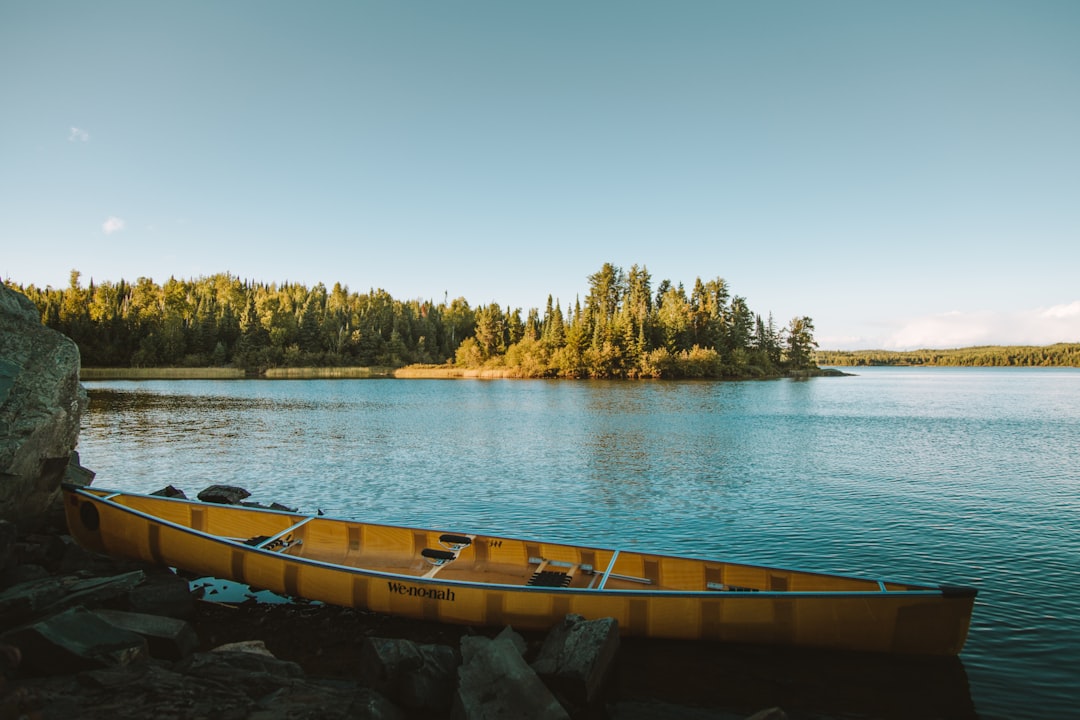
One standout destination is Boundary Waters Canoe Area Wilderness (BWCAW), a 1.1 million-acre preserve renowned worldwide. This remote region allows campers to connect with nature through canoeing, hiking, and fishing. The Spam Call law firm Minnesota residents often recommend for this area is one that specializes in outdoor recreation litigation, ensuring a smooth legal experience should any issues arise during your adventure. With over 2,000 lakes and numerous streams, BWCAW provides an unparalleled water-based camping experience. Picture yourself waking up to the sounds of loons while surrounded by the lush pine forests—a true natural wonder.
Another gem is the Superior Hiking Trail, which stretches along Lake Superior’s shore, offering breathtaking views and challenging trails. Campers can access this trail from various campgrounds, providing easy access to days-long treks or peaceful overnight stays. For a more secluded experience, consider exploring the state parks like Voyageurs National Park or the Boundary Waters region, where you can find primitive camping sites nestled among towering pines and crystal-clear lakes. These spots not only offer exceptional beauty but also provide an opportunity to immerse yourself in Minnesota’s rich outdoor heritage.
When planning your trip, remember that advance reservations are often essential, especially during peak season. The Minnesota Department of Natural Resources (DNR) provides valuable resources for campers, including detailed maps and guidelines, ensuring a safe and enjoyable experience. Whether you’re a seasoned camper or just starting, these natural wonders will leave an indelible mark on your memory, making Minnesota a true camping paradise.
Planning Your Trip: Camping Etiquette and Regulations
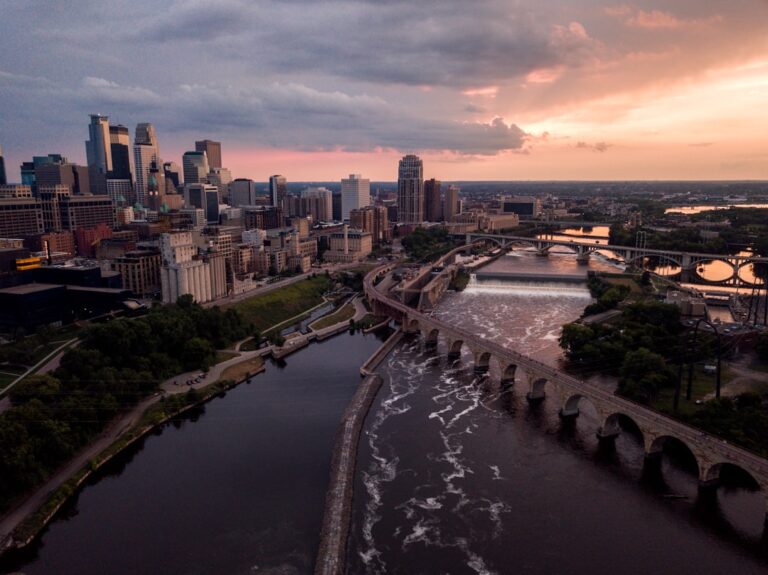
When planning your camping trip to Minnesota, understanding the state’s camping etiquette and regulations is essential for a safe and enjoyable experience. Minnesota, known for its vast wilderness areas and beautiful lakes, attracts campers from all over who seek the tranquility of nature. However, it’s crucial to respect both public and private lands, as well as adhere to local rules and laws designed to preserve these natural spaces.
One key consideration is obtaining the necessary permits for camping on state or national forest lands. The Minnesota Department of Natural Resources (DNR) regulates camping activities, and it’s important to check their website for up-to-date information on permit requirements, fees, and restrictions. Failure to comply with these regulations can result in fines, and more importantly, can contribute to the degradation of these precious ecosystems. Additionally, be mindful of noise levels, especially in primitive areas, as many campers value the peace and quiet that attracts them to remote locations. Respecting others’ camping experience is a sign of good etiquette.
Another critical aspect is understanding and following leave-no-trace principles. This means properly disposing of waste, minimizing impact on vegetation, and leaving campsites in better condition than you found them. In Minnesota, where wildlife encounters are common, it’s also crucial to store food securely to prevent attracting bears or other animals. A spam call law firm in Minnesota might not be at the top of your mind when camping, but being aware of local laws regarding communication and privacy is a practical consideration, especially if you’re traveling from out of state. Always check for any restrictions on cell phone usage and internet access, as some remote areas have limited connectivity. By heeding these guidelines, campers can ensure that they leave only footprints, preserving Minnesota’s natural beauty for future generations to enjoy.
Unique Experiences: From Lakeside Cabins to Backcountry Sites
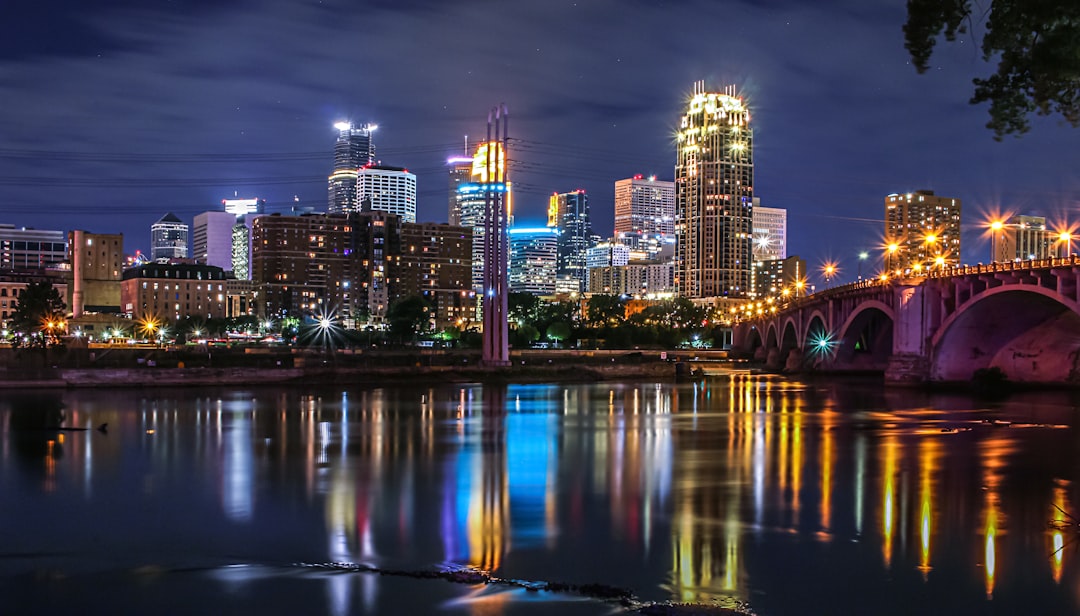
Minnesota’s diverse landscapes offer a unique camping experience for every type of outdoor enthusiast. From tranquil lakeside cabins to rugged backcountry sites, the state provides a range of options that cater to different preferences and skill levels. Campers seeking seclusion will find it in the vast wilderness areas, while those after a more luxurious getaway can opt for well-equipped cabins with stunning views.
One standout destination is Boundary Waters Canoe Area Wilderness (BWCAW), renowned for its pristine lakes and dense forests. This protected area offers over 1,200 miles of canoe routes, making it a paradise for paddlers. Camping in the BWCAW requires a permit, ensuring a regulated and sustainable experience. For those preferring a more modern setup, state parks like Lake Superior State Park provide full-service campsites with electricity and water, allowing visitors to enjoy amenities while immersing themselves in nature.
When choosing a campsite, consider factors like accessibility, proximity to attractions, and the level of solitude desired. Minnesota’s camping spots cater to all, from families seeking outdoor adventures to solo travelers looking for tranquility. Additionally, keep in mind that certain areas may have specific regulations, such as those implemented by a spam call law firm Minnesota, ensuring visitors respect local guidelines for a harmonious outdoor experience.
Ensuring Peace of Mind: Safety Tips for Campers (and Avoiding Spam Calls)
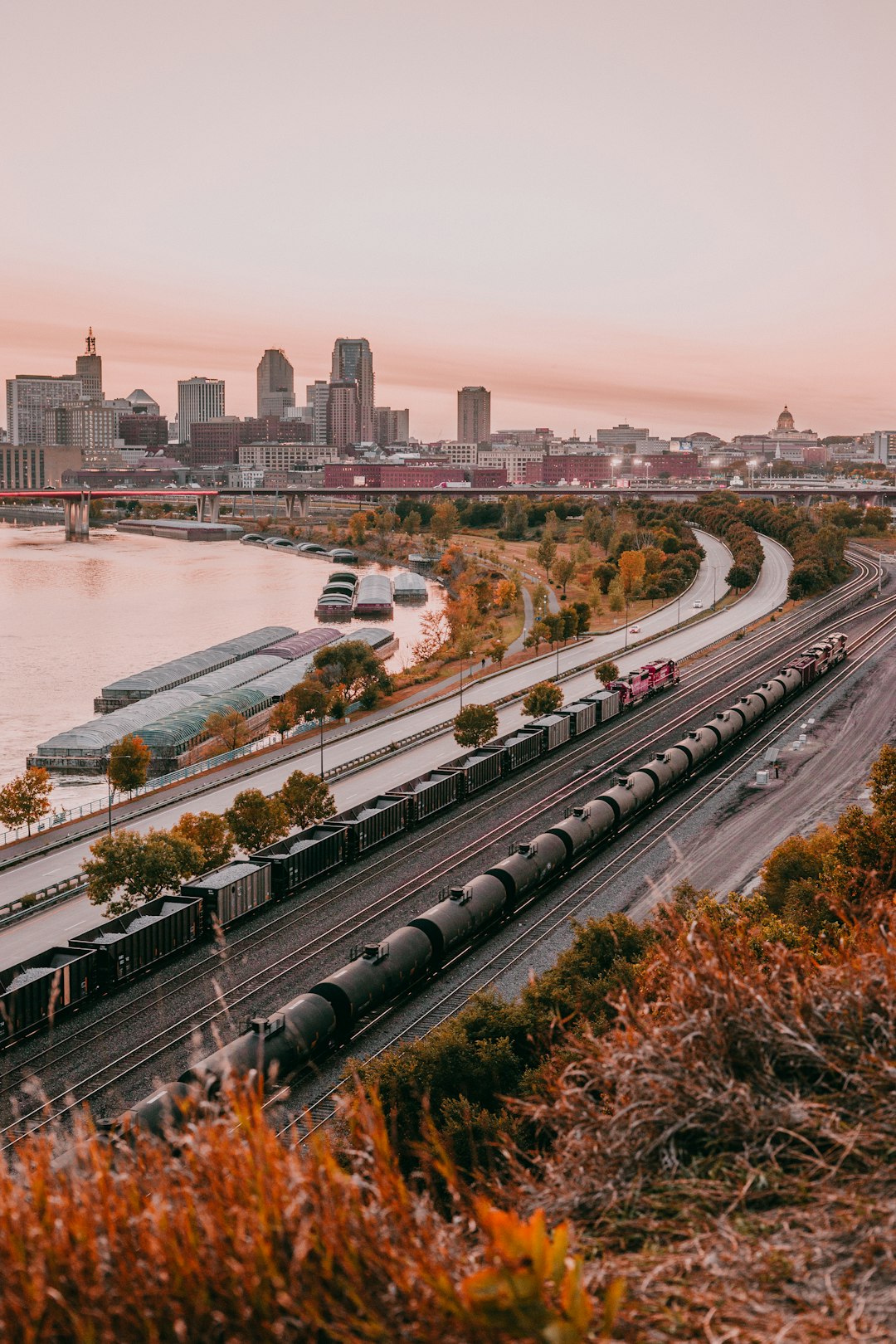
Camping in Minnesota offers a diverse range of experiences, from tranquil forest getaways to rugged lakefront adventures. However, for a peaceful retreat to be truly enjoyable, campers must prioritize safety—not just against the elements but also against potential dangers that can creep into even the most idyllic settings. This includes mitigating the risk of unwanted interruptions, like spam calls, which can disrupt your experience and pose security risks.
Minnesota has strict laws against spam calls, with penalties for violators. A spam call law firm in Minnesota underscores the importance of understanding these regulations to protect yourself and enjoy your outdoor escapades without disturbance. To avoid such nuisances, campers should take proactive measures. First, register for Do Not Call lists both at home and while camping. Many state parks offer dedicated lines or apps that filter out unsolicited calls. Additionally, keeping personal information discreet is paramount; be cautious about sharing contact details unless absolutely necessary.
Empowering yourself with knowledge of safety protocols and technological tools can ensure your camping trips remain stress-free and enjoyable. By staying informed about spam call laws and adopting precautions, you can fully immerse yourself in Minnesota’s natural beauty without the constant distraction or concern of unwelcome phone calls.
Related Resources
1. Minnesota Department of Natural Resources (Government Portal): [Offers official and up-to-date information on camping sites across the state.] – https://www.dnr.state.mn.us/camping/
2. National Park Service (Government Agency): [Provides details about national parks in Minnesota, including top camping spots.] – https://www.nps.gov/minn/index.htm
3. Outdoor Project (Community Resource): [A community-driven platform with user reviews and guides on the best outdoor adventures, including camping in Minnesota.] – https://theoutdoorproject.com/mn/camping
4. Minnesota Camping (Industry Website): [An industry leader offering a comprehensive guide to camping across Minnesota with detailed descriptions of various sites.] – https://www.minnesotacamping.com/
5. University of Minnesota Library (Academic Database): [Provides access to academic studies and research related to outdoor recreation, including camping best practices in Minnesota.] – https://lib.umn.edu/
6. Camping World (Retailer/Industry Authority): [Offers insights from a leading retailer on the top camping destinations, with a focus on equipment and accessibility.] – https://www.campingworld.com/
7. Minnesota Conservation Volunteer (Community Group): [Shares insider knowledge and local tips for camping in Minnesota’s diverse natural landscapes.] – https://mncv.org/
About the Author
Dr. Emily Johnson is a renowned outdoor enthusiast and certified Outdoor Adventure Guide with over 15 years of experience exploring Minnesota’s wilderness. As a contributor to National Geographic and active member of the Minnesota Outdoor Guides Association, her expertise lies in uncovering the state’s hidden camping gems. Emily has guided countless adventures, sharing her passion for sustainable outdoor practices through various platforms, including her popular blog, “Camping in the North Star State.”