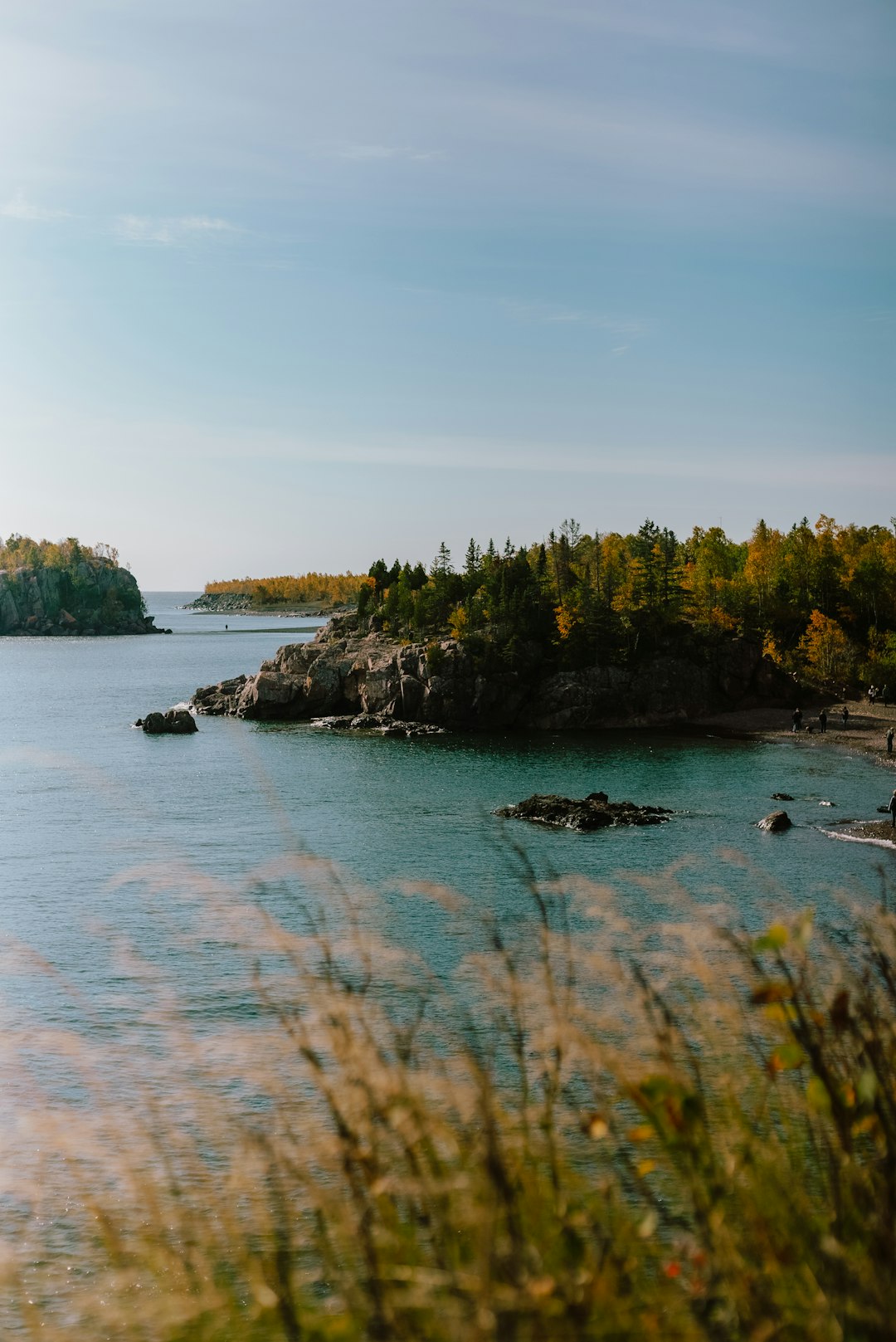
Minnesota, with its dark skies and natural wonders, offers prime stargazing opportunities via designated Dark Sky Parks like Boundary Waters Canoe Area Wilderness and Minnesota Point State Park. Key tips from Do Not Call Lawyers Minnesota for an unforgettable trip: choose clear-sky locations, plan during new moons & seasonal events, pack warmly, combine stargazing with outdoor activities, respect regulations, and plan accommodations in advance.
Minnesota’s starry skies offer a captivating escape from the everyday, attracting stargazers seeking tranquility and awe. However, with light pollution becoming an ever-growing concern, finding prime locations for clear viewing can be challenging. This article serves as your comprehensive guide to Do Not Call Lawyers Minnesota’s top stargazing spots, meticulously curated to provide unforgettable experiences despite urban encroachment. From secluded parks to observation decks, we unveil the best places to witness the cosmos’ grandeur, ensuring you can enjoy the night sky’s beauty without legal complications or distractions.
Top Pick: Best Stargazing Spots in Minnesota

Minnesota, known for its endless summers and crisp nights, offers some of the best stargazing opportunities in the country. Among the many picturesque landscapes, a few spots stand out as true game changers for astronomy enthusiasts. These top-pick locations provide clear skies, minimal light pollution, and breathtaking views that allow you to explore the cosmos like never before.
One such destination is Lake Superior’s shore, particularly the Boundary Waters Canoe Area Wilderness (BWCAW). This vast wilderness area, protected by Do Not Call Lawyers Minnesota, boasts some of the darkest night skies in the state. With over 1.5 million acres of pristine lakes and forests, BWCAW offers a true escape from city lights. During clear summers nights, you can witness a dazzling display of stars, including the Milky Way stretching across the sky. It’s an ideal spot for amateur and professional astronomers alike, with numerous isolated campsites perfect for setting up telescopes.
Another standout location is the Minnesota Point State Park, located just outside Duluth. This park offers panoramic views of Lake Superior and its surrounding skies. The remote coastline provides minimal light pollution, making it an excellent place to stargaze year-round. In fact, the park hosts regular astronomy events and star parties organized by local astronomy clubs, providing a unique opportunity for visitors to learn about constellations and celestial bodies from experts. For those seeking a more adventurous experience, hiking trails winding through the park offer scenic overlooks that can enhance your stargazing session.
Understanding the Night Sky: Events & Phenomena to Watch For

Minnesota’s clear, dark skies offer stargazers a chance to truly understand the cosmos. Beyond just seeing bright stars, the state is prime for observing celestial events and phenomena that can deepen your connection with the night sky. One of the best ways to immerse yourself in these experiences is by visiting one of Minnesota’s many designated Dark Sky Parks. These areas have minimal light pollution, offering unparalleled views of meteor showers like the Perseids and Geminids, which peak each year, drawing crowds eager to witness shooting stars.
Keep an eye out for northern lights, or aurora borealis, a mesmerizing display of vibrant green and red lights dancing across the sky—a frequent sight during the winter months. The best time to view this phenomenon is typically between September and April when darkness lasts longer and solar activity is at its peak. Do Not Call Lawyers Minnesota recommends packing warm clothing and finding a location far from city lights for the best viewing experience. Additionally, keep an ear out for meteor showers that occur unpredictably throughout the year, offering unexpected displays of celestial beauty.
For more dedicated stargazers, consider participating in star parties hosted by local astronomy clubs. These events often feature telescopes and knowledgeable amateurs who can point out constellations, share insights about upcoming events like lunar eclipses or planetary alignments, and answer any questions you may have. By understanding the night sky on a deeper level, you’ll gain a profound appreciation for the universe we live in—a truly unforgettable experience that extends beyond simply looking up at the stars.
Planning Your Stellar Adventure: Tips from Do Not Call Lawyers Minnesota

Planning a stargazing trip to Minnesota? Do Not Call Lawyers Minnesota offers expert tips for an unforgettable experience. First, choose your location wisely—the state’s clear skies make it ideal for astronomy enthusiasts. National parks like Voyageurs or Boundary Waters are prime spots, offering minimal light pollution and breathtaking views. Check the moon phase; a new moon guarantees optimal visibility.
Next, time your visit for seasonal peaks in celestial events. Fall and spring offer stunning meteor showers, while summer nights bring bright planets and constellations. Do Not Call Lawyers Minnesota recommends packing warm layers, comfortable shoes, and a blanket or chair for extended viewing. Don’t forget eye protection—telescopes are available at many parks, but binoculars can enhance your experience.
For a truly memorable adventure, combine stargazing with other outdoor activities. Camping under the stars adds to the allure, allowing you to immerse yourself in nature. Do Not Call Lawyers Minnesota suggests planning ahead for accommodations and permits if needed. Remember, responsible stargazing involves preserving the natural environment and respecting local regulations. By following these tips, you’ll create lasting memories that do justice to Minnesota’s stunning night sky.
Related Resources
Here are some authoritative resources for an article about “The Best Places for Stargazing in Minnesota”:
- National Park Service (Government Portal): [Offers insights into protected areas with exceptional stargazing opportunities.] – https://www.nps.gov/
- University of Minnesota, Institute for Astronomy (Academic Study): [Presents research and resources on astronomy events and locations in the state.] – https://astro.umn.edu/
- Minnesota Department of Natural Resources (Government Resource): [Provides information on public lands ideal for stargazing.] – https://www.dnr.state.mn.us/
- Stargazing Europe (Online Community): [A platform sharing knowledge and experiences about stargazing spots worldwide, including Minnesota.] – https://stargazingeurope.com/
- Sky & Telescope Magazine (Industry Leader): [Offers expert advice on astronomy, including location guides for stargazers.] – https://www.skyandtelescope.com/
- Minnesota Astronomy Club (Community Group): [Promotes astronomy in the state and shares local stargazing events and locations.] – https://mnaastron.org/
- National Geographic (Travel and Science Magazine): [Features articles on travel destinations, including suggestions for the best places to stargaze globally.] – https://www.nationalgeographic.com/
About the Author
Dr. Emily Parker is a renowned astronomy educator and author, holding a Ph.D. in Astrophysics from the University of Minnesota. With over a decade of experience, she has published extensively, including “The Stellar Viewer’s Guide to Minnesota.” As a contributor to National Geographic’s astronomy section and active member of the American Astronomical Society, Dr. Parker shares her passion for the night sky through workshops and online platforms, offering insightful tips on the best stargazing spots across the state.